

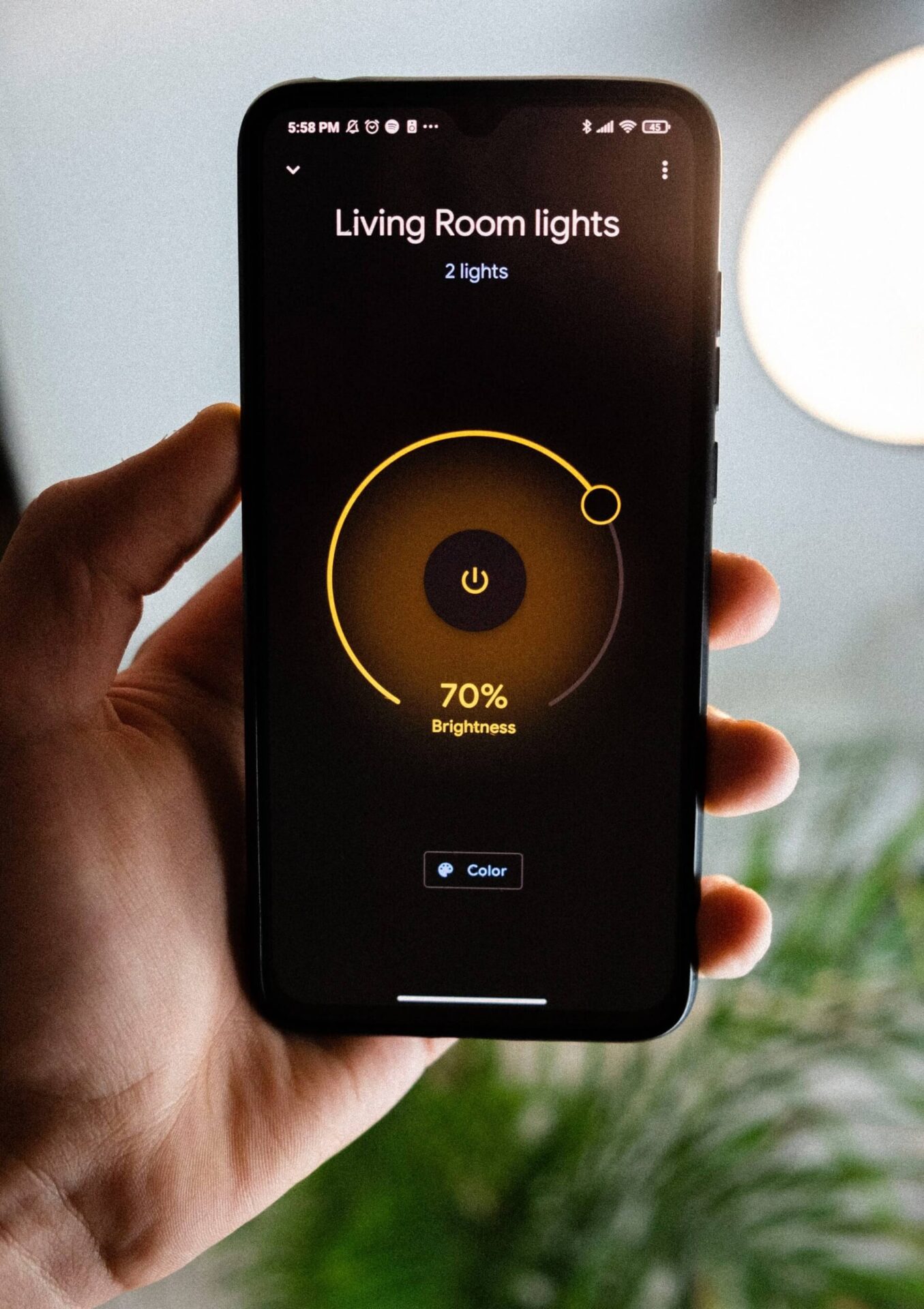
Being able to control your home from the mobile applicationSounds nice doesn’t it? The more pleasant and enjoyable part is taking actions according to the actions taken by other devices in your home. For example, imagine that when your garage door, controlled by brand A device, is opened, the air conditioning system of the house controlled by brand B device is activated. It seems like we need some kind of integration for this, right? The only thing needed to perform such actions and interact with devices of more than one brand is Smart Home Integrations, which is the subject of today’s article .
In 2018, smart home devices were used for the first time in more than 34 million homes around the world. With the spread of technology and the increase in the use of smart home systems, large companies began to make investments in this regard. Google, Amazon, Apple and Samsung, some of the world’s leading companies, have published their own integration applications.
- Google – Google Home
- Amazon – Amazon Alexa
- Apple – Apple Home
- Samsung – Samsung Smart Things
The integrations we have mentioned above and similar integrations allow us to integrate devices of more than one brand within a single interface and write scenarios that enable them to take action according to each other’s situations. In addition, they take the system to the next level by making the same devices controllable via voice command. Although the advantages it provides seem to be the most important factor in choosing brands with integrations, the most important factor is that it gives an idea about the quality of the brand by showing that the brands with these integrations follow the technology, are up-to-date and are included in the systems of large companies by meeting certain standards.
Although some brands can participate in these integrations using third-party software, brands with Native integration should always be the first choice when compared to these devices.